
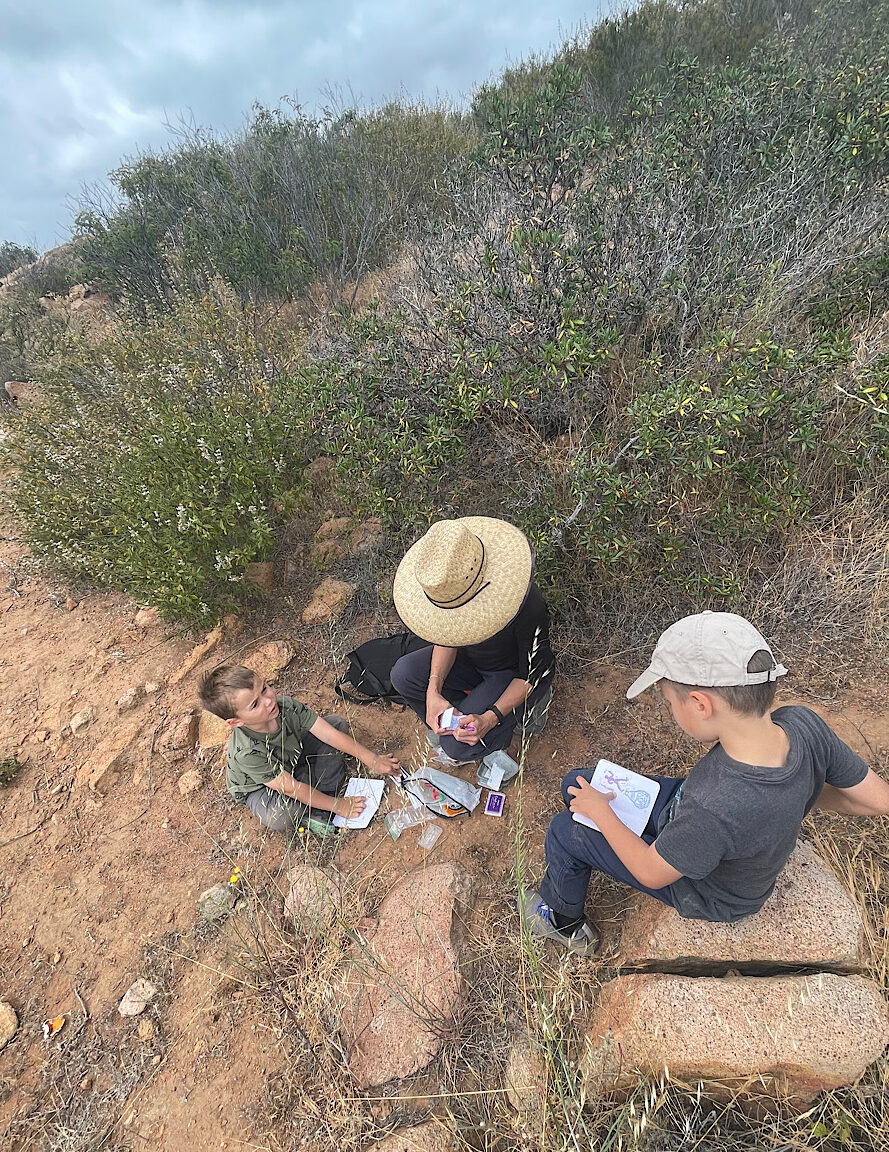
Letterboxing with Kids!
Letterboxing is a wonderful activity to enjoy with kids. It brings kids outside and into nature, working as adventurers and treasure hunters. In particular, they learn how to navigate terrain to find hidden boxes containing stamps and logbooks. Letterboxers often spend lots of time constructing these boxes — creating stamps, journals, concepts, stories, poems, puzzles, and/or clues. The letterboxes can be quite expressive and original! Once they get the hang of it, kids can help create letterboxes, too.
History!
Letterboxing began in 1854 Dartmoor, England with Dartmoor guide, James Perrot. He stationed a bottle at Cranmere Pool, on the northern moor, to serve as a place to leave visiting cards. The cards, with name and title, were fashionable accessories during the 19th and 20th centuries to announce one’s arrival. Over time, visitors began leaving letters and postcards in boxes along the trail to be posted by the next person to find. This is how the term “letterboxing” began.
Since then, letterboxing has developed into an elaborate activity with similar elements. Letterboxers now plant boxes (with logbook and stamp) in public places for others to find. Those who visit a box can leave their “visiting card” by imprinting their personal stamp into the box’s logbook. They then use the box’s stamp to mark their own personal notebooks.

Let’s Begin!
The Starting Point
To begin letterboxing with your kids, you’ll first want come up with a trail name. The trail name will serve as your family’s alias. If you each choose individual names, logging in and recording finds may become time-consuming. However, if your kids are older, they may enjoy the autonomy of managing their own logs.
Next you should register with one or more of the online letterboxing communities to read clues, log finds, and share experiences. The communities we participate in are Letterboxing.org and Atlas Quest. These sites seem to feature boxes and participants in the US.
The Gear
The next thing you should do is gather your letterboxing paraphernalia. Below is a list of items you’ll want to have on hand…
- Clues
- Personal stamp (purchased or carved)
- Notebook(s)
- Ink pad
- Pen
- Compass

Additionally, since letterboxing with kids takes time (especially on trails), make sure to bring plenty of water, snacks, and weather-appropriate clothing.
Play!
The Hunt
Now for the fun part. Once you have your trail name, location, clues, and gear, it’s time to hunt for a letterbox!
- Understand the letterbox’s general location
- Is it situated on a hiking trail, tourist attraction, business area, or in the middle of nowhere?
- Will you have to walk over a mile or simply park, stamp, and go?
- Is the location pet, wheelchair, or child-friendly?
- You should find this information with the letterbox’s clues and instructions online.
- Decipher the clues
- Clues for finding the box can be lists of steps, compass directions, puzzles, codes, or written in foreign languages
- Clues may be easier for families to work out beforehand
- Find your letterbox
- Open the letterbox to see what’s in store!
- Remember these 4 actions: stamp, sign, stamp, sign
- Stamp the letterbox’s notebook with your personal stamp
- Sign the letterbox’s notebook with your trail name and date
- Stamp your notebook with the letterbox’s stamp
- Write notes in your notebook (perhaps date, location, order #, etc).
- Put everything back and hide the box where you found it.
- Remember these 4 actions: stamp, sign, stamp, sign
- Record your find online
- Log into your Atlas Quest or Letterboxing.org account
- Log whether you’ve found the letterbox or not
- (Optional) Write a public or private message about your experience or the letterbox’s condition
The Codes of Conduct
- Watch out for muggles! Muggles, in this context, are those who have no knowledge of letterboxing. Basically, you should consider people who aren’t part of your group as muggles. Ensure the coast is clear before digging out letterboxes and stamp away from hiding sites.
- Hide letterboxes better than you find them. In other words, take great care in re-hiding the boxes so other letterboxers can enjoy them. Don’t let muggles to find them! They may not treasure the boxes the way you do.
- Respect the environment. Kids may get so excited to find letterboxes that they trample plants or go places they shouldn’t. Make sure they stay on trails, out of private property, and/or off monuments. Have a chat beforehand to help kids understand expectations.
